
This post may contain affiliate links. As an Amazon Associate, I earn from qualifying purchases.
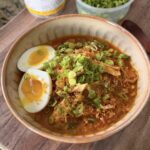
Shrimp sinigang is a Filipino comfort meal packed with tender shrimp, vegetables, and a tangy tamarind broth. Served warm over rice, this meal is perfect for the rainy or chilly seasons!
Ingredients and Substitutions
*The Recipe Card below includes all the full measurements for these ingredients!
Shell-on, cleaned, deveined shrimp: For this recipe you’ll need whole shrimps with their shells and heads still on to add that extra boost of shrimp flavor. Make sure to reserve some time to clean these shrimps properly (e.g., removing the horns, legs, whiskers, and digestive tract) for a cleaner, less-gritty soup!
Tomatoes, onion, white radish, eggplant, bokchoy, string beans, okra, chili peppers: These will be the main vegetables going into our soup. Feel free to omit or add more veggies into the mix, but this is most commonly the standard combination you’ll see in most sinigang recipes.
Tamarind concentrate: This recipe uses tamarind concentrate that you can typically purchase from a container or as a block of tamarind pulp that you can simply hydrate with hot water to form a paste. It is the KEY ingredient to a good sinigang since tamarind lends the soup its distinct sourness and mild sweetness.
Fish sauce, salt: The saltiness and umami notes of the fish sauce and salt help to bring out the flavors of the soup and hi light the taste of the shrimp.

Instructions
*The Recipe Card below includes all the full detailed instructions!
Boil together the water, tomatoes, onions, white radish, tamarind paste, fish sauce, and salt.

Add in the shrimp, eggplant, bokchoy, string beans, okra, and chili peppers. Let simmer until the shrimp is just cooked.

Taste the soup, and season to taste. Enjoy!

Cooking Tips
Avoid overcooking your shrimp: Whole, shell-on shrimp should only take around 2-5 minutes to cook, hence why we add it in the last stage of the sinigang. Overcooked shrimp makes the proteins tougher and causes the shell to stick onto the meat, making it more difficult to peel.
A quick visual cue I always use for shrimp is seeing how much they curl up. If they’re curled up to form the letter “C”, it’s ready to eat. If you see the shrimp curl completely into the letter “O”, it’s either overcooked or getting very near to being so.
Adjust the soup to preference: Use this recipe as a guide, but you don’t need to follow it completely. Taste and adjust the sinigang as you go, adding more tamarind concentrate if you’d like it to be more sour and/or adding more fish sauce for a more salty and savory flavor.
FAQs (Frequently Asked Questions)
How do I store leftovers?
To properly store the sinigang, let it come to room temperature (no longer than 3 hours), then refrigerate immediately in airtight containers. Sinigang should last for up to 3-4 days in the fridge.
Can I use different kinds of protein?
You definitely can. Some other variants of sinigang include using chicken (sinigang na manok), beef (sinigang na baka), or pork (sinigang na baboy). Personally, I love pork belly sinigang! You can find the recipe here.
Can I use sinigang/tamarind soup mixes instead?
For more conveniency, you can also use the tamarind soup mixes that are widely accessible in most Asian and Filipino groceries. The most popular sinigang powder mix brands include Knorr and Mama Sita’s.
Do note that these mixes already come pre-seasoned with salt and other seasonings. I’d still recommend seasoning your sinigang further with more salt and/or patis if needed.

Looking for more classic Filipino recipes? Here’s a couple more to give a try:
- Tortang Talong (Eggplant Omelette)
- Bistek (Filipino Beef Steak)
- Pancit Bihon (Filipino Rice Noodles)
- Tofu Sisig (Crispy Tofu Stirfry)

Shrimp Sinigang (Sinigang na Hipon)
Shrimp sinigang is a Filipino comfort meal packed with tender shrimp, vegetables, and a tangy tamarind broth. Served warm over rice, this meal is perfect for the rainy or chilly seasons!
Keep the screen of your device on
Ingredients
5 cups water
~400 g shell-on shrimps (cleaned and deveined)
2 roma tomatoes, cut into wedges
1 onion, quartered
~1 cup white radish, cut into 0.5″-thick disks
1.5 -2 cups tamarind concentrate (depending on how sour you like your soup to be)
1.5 tbsp fish sauce
0.5 -1 tsp kosher salt, to taste
~1 cup eggplant, cut into 0.5″-thick disks
2-4 bokchoy, halved
~1 cup string beans, cut into 5″-thick pieces
6-8 pieces of okra
1-2 chili peppers, whole
Directions
- In a moderately large pot, bring the five cups of water to a boil. Once boiling, add in the tomatoes, onions, and white radish. Turn the heat down to medium and let the vegetables simmer and infuse their flavors for 10 minutes until softened.
- Pour in the tamarind paste, fish sauce, and salt. Mix until well combined.
- Add in the cleaned shrimp, eggplant, bokchoy, string beans, okra, and chili peppers. Close the pot with a lid and simmer for an additional 5 minutes just until the shrimp is cooked and the vegetables have softened.
- Taste the soup, and season with more salt, fish sauce, and/or tamarind paste to preference. Serve warm. Enjoy!
This post may contain affiliate links. As an Amazon Associate, I earn from qualifying purchases.





)
Pingback: Hong Shao Rou (Red Braised Pork Belly) | Iankewks
Pingback: Khao Soi (Thai Curry Noodle Soup) | Iankewks
Pingback: Pork Adobo (adobong baboy) | Iankewks