Suka, the Filipino vinegar, is a staple in many Filipino dishes. This guide explains the most common vinegars and how they’re used to help you cook Filipino food more confidently!
As a quick disclaimer, this is not meant to be an ‘ultimate’ guide, as going through almost every regional Filipino vinegar would make for a much longer blog post. Instead, we’ll go over the main ones that much of general Filipino cooking relies on.
What is Suka?
In Filipino cooking, the word suka simply means vinegar in Tagalog. In practice, however, most Filipino households are referring to cane vinegar unless another type is specified. This is essentially the everyday vinegar used for either cooking or dipping.
Importance to Filipino Cuisine
Historically, Filipinos have relied on vinegar as both a cooking and preservation method. That method and flavor persists in the cuisine today in the form of many vinegar-based dishes and dipping sauces.
Structurally, vinegar works to balance the rich and salty ingredients of a dish. It provides the needed acidity to brighten braises and stir-fries in cooking, while cutting through the fattiness of fried and grilled meats when used as a dip.
Types of Filipino Vinegar
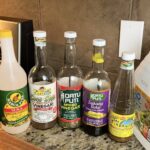
These are the ones you’re most likely to encounter in Western Filipino groceries and the ones most commonly used in home cooking:
Cane Vinegar: This is the most widely used vinegar to cook many Filipino dishes, often relied on as a default vinegar. It can go by the names of “sukang puti” or “sukang maasim”, but often times it’s labelled “Cane Vinegar”.
- Best for: All-rounded cooking. It’s versatile enough to be used for braises (like adobo) and for making sawsawan (dipping sauces).

Coconut Vinegar: Also known as Sukang Tuba, this is another widely used variant. This one’s made from fermented coconut tree sap, resulting in a softer, rounder taste, and with a characteristic caramel-colored hue.
- Best for: All-rounded cooking. Great with fresh seafood, such as kinilaw and oysters, or for salad dressings and vinaigrettes.

Dipping Vinegars: There are numerous types of dipping vinegars, often varying depending on the seasoning, spices infused, or type of vinegar used as the base. While they can be used for cooking, these vinegars are commonly used as dips to be paired alongside fried or grilled foods for a complementary, acidic kick. The common ones you’ll find include:
- Sinamak: This is a style of vinegar from the Illongo region, where the vinegar is infused with chilies, garlic, and onions. The resulting vinegar tastes highly aromatic with a spicy kick.

- Pinakurat: This is a style of vinegar from the Mindanao region, which is also infused with similar aromatics of chilies, garlic, and onions. Compared to sinamak, pinakurat is deeper, slightly spicier, and more intense in taste.

- Sukang Iloko: This is a dark-colored vinegar from the Ilocos region made from fermented sugarcane. Compared to cane vinegar, Iloko-style vinegar is more mellow, tastes fuller, and rounded in taste. It’s perfect for pairing with Ilocos-style longanisa and Ilokos Empanadas.

How It’s Used in Cooking
Sauces: Vinegar is commonly used as a flavor base in many Filipino dishes, such as braises, stews, and stir-fries. Think Adobo, Paksiw, and Kinilaw, which are tangy in flavor by design.
Marinades: Vinegar also acts as a tenderizer while giving brightness to marinated proteins. Think Beef Tapa or Chicken Inasal, where vinegar works to enhance the other components of the marinade.
Dips: Apart from cooking, one of the other most common uses for vinegar is for sawsawan (the general term for Filipino dipping sauce). Infuse it with aromatics or mix with soy sauce to help cut through the richness of certain foods.

Substitutes
White Distilled Vinegar: This is a great substitute for cooking Filipino food as it’s highly acidic and has a sharp taste.
Apple Cider Vinegar: This is another good substitute, just slightly fruitier in taste.
Rice Vinegar: This style of vinegar is slightly more delicate in taste compared to Filipino suka, but I’d still consider it a decent substitute in a pinch. I’d recommend adding slightly more rice vinegar in the recipe incrementally as its flavor tends to be softer and slightly sweeter compared to cane vinegar.
Where to Purchase
Most of these products can be purchased in Filipino or Asian groceries. Cane vinegar is likely the most accessible one to find, and you could even poke around the ‘international aisle’ to see if it’s there.
Other, more specific regional vinegars (such as Ilokos-style, pinakurat, etc.), are more likely found in dedicated Filipino markets such as Seafood City, Island Pacific, or Filipino convenience stores.

References:
- https://shopmytindahan.com/blog/featured-product-my-tindahan-s-guide-to-filipino-vinegars-suka-
- https://www.pinoyfitness.com/2020/02/filipino-vinegars-to-spice-up-your-adobo/
- https://www.yummy.ph/lessons/prepping/filipino-vinegars-how-to-use-them-a00261-20190312-lfrm2
Disclosure: Some links on this page are affiliate links, meaning that at no additional cost to you, we may receive compensation from purchases made through these links. As an Amazon Associate, I can earn from qualifying purchases.